We want to create the biggest online listing collection of Dive spots around the world!
Please add you short stay dive spot rentals now.
Having a hard time to relax above sea level ? Don't worry, we select the greatest diving spots around the world. Book your perfect diving spot at bookadivespot.com
10 Dive spots found
Asia
Indonesia
Malaysia
Maldives
Thailand
North America
Trinidad and Tobago
United States of America
Florida
Missouri
List your dive spot on this page?
Add linkPlanning a dive holiday: how to choose where to stay and where to dive
The best dive trips have one thing in common: the water is never far away. When your room is a short walk from the dive centre, or the house reef starts at the end of the jetty, there is no long transfer eating into your day and no rushing to catch the boat. You can fit in an early dive before breakfast, rest between dives and still be back in the water for a sunset or night dive. That is what the dive resorts, dive lodges and waterfront stays on this page are about.
Whether you are about to take your first breaths underwater or already have a logbook full of dives, the guide below will help you choose the right destination, the right operator and the right time to go.
Where you stand: courses and certification
Scuba diving is taught by several international training agencies, and their certifications are widely recognised by dive centres around the world. The path usually looks like this:
- Try dives for complete beginners, a short supervised introduction in shallow, calm water with an instructor close by.
- Entry-level open water courses combine theory, confined water practice and a series of open water dives, and give you a certification to dive with a buddy within set limits.
- Advanced and specialty courses build experience in areas such as deeper diving, navigation, night diving, wreck diving or buoyancy control.
- Rescue and professional levels for divers who want to look after others or eventually work in the industry.
Many people learn on holiday, but it can be more relaxing to complete the theory online before you travel so your time at the destination is spent in the water. Whatever your level, dive within the limits of your training and experience. If you have not dived for a while, ask for a refresher or an easy check-out dive first.
Shore, boat or liveaboard?
How you get to the dive sites shapes the whole trip.
Shore diving means walking in from the beach or a jetty. It gives you freedom to dive on your own schedule and is ideal for relaxed divers and photographers. Bonaire in the Caribbean is famous for it, and parts of the Red Sea coast offer excellent reefs right from the shore.
Boat diving from a land-based resort takes you to offshore reefs, walls, pinnacles and wrecks. Day boats usually return between dives or at the end of the day, so you sleep in a comfortable room and non-divers in your group can enjoy the resort.
Liveaboards are dive boats you live on for several days, reaching remote sites that day boats cannot. They are popular in places such as the Red Sea, the Maldives, Raja Ampat, Komodo and the Galapagos. The trade-off is less space and a fairly intensive schedule.
Choosing a dive centre you can trust
A beautiful reef is only half the story. The quality of the operator decides how safe and enjoyable your dives will be. Look for a centre affiliated with a recognised training agency, with instructors and guides who clearly brief each dive, check your certification and logbook, and are happy to adapt plans to the conditions. Equipment should be well maintained, and rental gear should fit properly. Boats should carry oxygen and a first aid kit, and staff should know the emergency plan. Small groups per guide make a big difference, especially in currents or for newer divers.
Questions to ask before you book
- How far is the dive centre from my room, and is there a house reef?
- How many divers are in each group per guide, and are groups matched by experience level?
- Is rental equipment included, and is it regularly serviced? Are computers available?
- Is there emergency oxygen on every boat, and what is the emergency plan?
- Do you require proof of dive insurance or a medical questionnaire?
- Which marine life is most likely during my travel dates?
- What are the typical currents and water temperatures, and what wetsuit do you recommend?
- Are courses available on site, and can I do the theory online before arriving?
- Is there a place to rinse and dry gear, and a camera room for charging?
Reading the conditions
Visibility changes with season, plankton, rain run-off and tides. Clear blue water is wonderful, but slightly greener water often means more nutrients and more life. Currents bring in big animals and make drift diving thrilling, but they require skill, so ask how strong they typically are. Water temperature ranges from warm tropical seas, where a thin wetsuit or shorty may be enough, to cooler waters such as the Atlantic, the Mediterranean in spring or South Africa, where a thicker wetsuit, hood or even a drysuit is sensible. Remember that you lose heat over several dives a day, so it is usually wiser to wear a bit more than you think you need.
A world of dive destinations
- Africa and the Middle East: the Red Sea with its colourful reefs and wrecks; South Africa, known for sharks and cooler temperate diving; and Mozambique, where whale sharks and manta rays draw divers.
- Asia and the Indian Ocean: the Maldives for manta rays, reef sharks and atoll channels; Indonesia with Raja Ampat, Komodo and Bali; the Philippines with its huge variety of reefs and macro life; and Thailand, a favourite place to learn.
- Oceania: Australia's Great Barrier Reef and Ningaloo on the west coast, famous for whale sharks; and Hawaii in the Pacific with volcanic reefs and turtles.
- The Americas: Bonaire, Cozumel and Belize in the Caribbean; the flooded caves and cenotes of Mexico's Yucatán, where guided cavern dives stay within sight of daylight and true cave diving requires specialist training; and the Galapagos, an advanced destination with cool water and strong currents.
- Europe and the Atlantic: the Azores for open ocean encounters and the Mediterranean for rocky reefs, caves and history underwater.
Timing your trip
Marine life has its own calendar. Many big animals, such as whale sharks, manta rays and migrating whales, appear in certain areas only in certain months, so check with local operators before you choose dates. Weather matters too: tropical regions have monsoon, rainy or hurricane and typhoon seasons that can affect sea state, visibility and boat schedules. Remember that seasons are reversed in the Southern Hemisphere, so the warmest water in South Africa or southern Australia comes during the northern winter.
Staying safe and insured
Plan your last dive carefully before flying home. Flying too soon after diving increases the risk of decompression sickness, so follow the surface interval guidelines of your training agency and your dive computer, and keep your final day free of diving. Good dive insurance is strongly recommended, as ordinary travel insurance does not always cover diving accidents, evacuation or treatment in a recompression chamber. Stay hydrated, avoid diving when unwell, and never feel pressured into a dive you are not comfortable with.
Leave the reef as you found it
Reefs are fragile and grow slowly. Work on your buoyancy so you never touch or kick the reef, keep gauges and hoses tucked in, and do not touch, chase or feed marine life. Choose reef-friendly sun protection or cover up with a rash vest, take all rubbish back with you, and support operators that use mooring buoys instead of dropping anchor on the reef.
Browse the dive spots on this page
The dive resorts and stays in this collection are grouped by continent, country and region, so you can quickly narrow your search to the waters you want to explore. Each link goes to the owner's own website, where you can check availability, ask about courses and book directly. Do you run a dive resort, dive lodge or accommodation near great diving? Add your link for free with the button above and help divers find you.
Looking for an awesome place to spend your holiday?
Or want to advertise your houseboat, lighthouse, treehouse or glamping?
Check these links below!
Blog posts
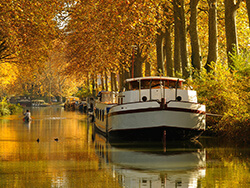
Barge river cruises in France
River cruises in France are the next luxury holiday destination. Cruise your private barge with cook down the French rivers.
Read more..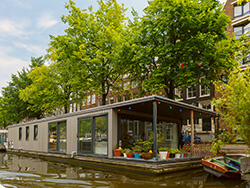
Rent a houseboat in Amsterdam
A houseboat is a great place to stay when visiting Amsterdam. Stay close to the city center but have a lot of private space.
Read more..